Showing posts with label dairy cattle care. Show all posts
Friday, April 18, 2014

RINGWORM in cattle

RINGWORM

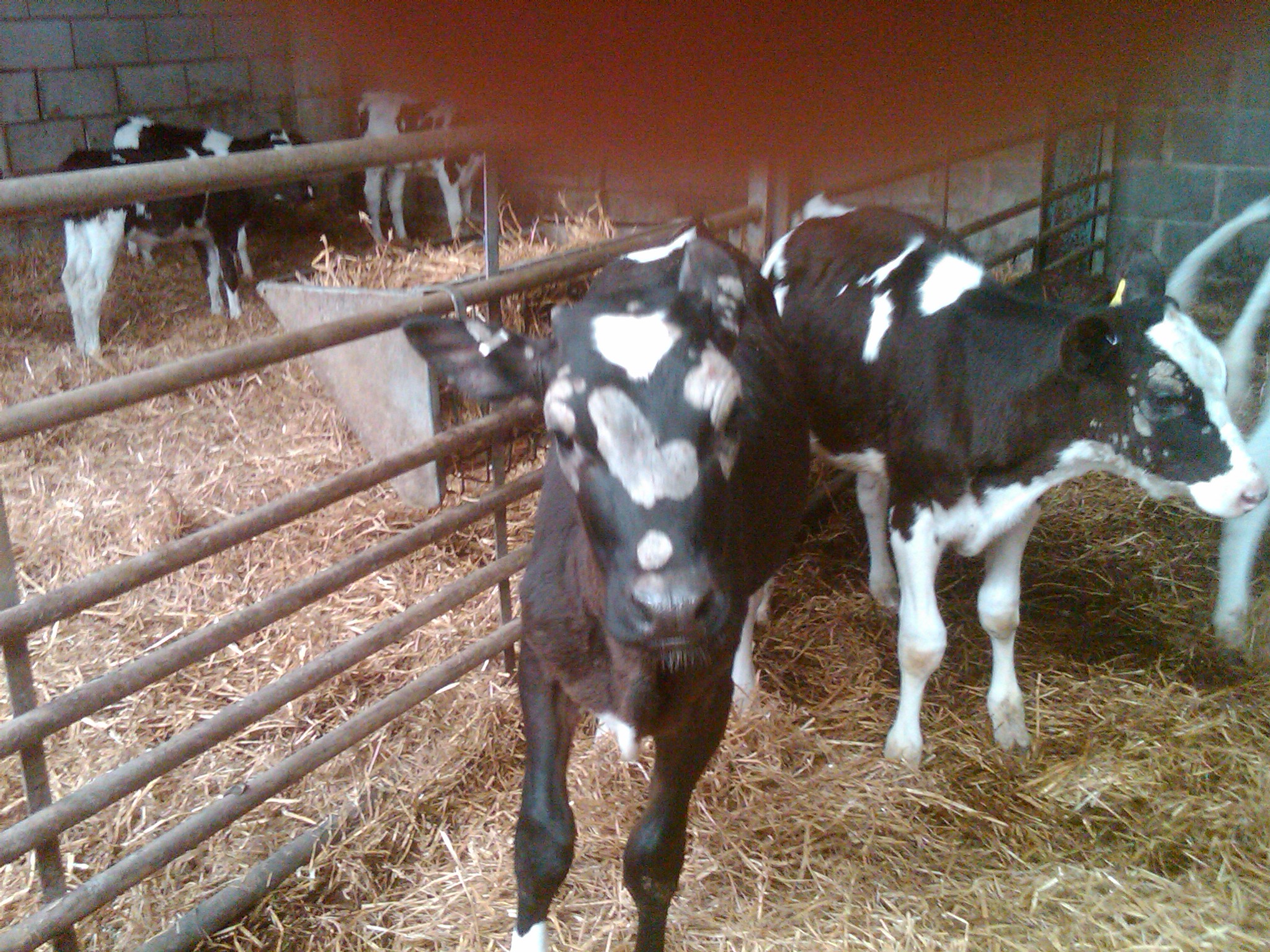
Ringworm is a transmissible infectious skin disease caused most often by Trichophyton verrucosum, a spore forming fungi.  The spores can remain alive for years in a dry environment.  It occurs in all species of mammals including cattle and man.  Although unsightly, fungal infections cause little permanent damage or economic loss.  Direct contact with infected animals is the most common method of spreading the infection. 
Spores germinate and attack the shafts of the hair and the surface layers of the skin. Exudates ooze from the damaged skin and mix with debris from skin and hair forming a crusty scab. The grayish-white scab is noticeably higher than the surrounding skin.  Ringworm is most frequent on the head and neck, but it may be found over the entire body in severe cases.  Infection spreads from the center outwards and resulting in a  circular lesion.  Scabs fall from older lesions leaving a ring with a hairless area in the center.  Hence, the name ringworm.
Ringworm will usually cure itself without treatment.  Common treatments include topical application of a 2% solution of iodine,  thiabendazole paste or any fungicide used to treat athlete's foot in man
Sunday, April 15, 2012

Worms

Worms

Parasitic gastroenteritis is associated with large numbers of nematodes in the abomasum and intestines. The nematodes in the abomasum are generally considered to be the primary pathogens, with those in the intestines playing a lesser but synergistic role. In the United Kingdom, the predominant worms in the abomasum belong to the genus Ostertagia, with Ostertagia ostertagi the most abundant. In the small intestine, Cooperia oncophora and Nematodirus helvetianus are commonest (Taylor and Andrews, 1992). There are two common forms of ostertagiasis, type I and type II (Anderson, 1988).
Type I Ostertagia infection This disease is most common in late summer and autumn and causes profuse watery diarrhoea in calves at grass. The faeces are usually green because of the grass diet. Developing larvae within the gastric glands of the abomasum cause the lumen of these glands to distend and stretch the cellular lining. As a result, the mature functional parietal and peptic cells are superseded by undifferential cells. As the infection progresses adjacent non-parasitized glands also become affected and their parietal cells replaced by non-functional undifferentiated cells. The pH of the abomasum increases and leakage of macromolecules and protein occurs across the damaged mucosa, resulting in hypoproteinaemia and increased concentrations of pepsinogen in the plasma (Entrocasso et al., 1986; McKellar, 1986). There is a rapid loss of weight, largely due to changes in grazing behaviour (Forbes et al., 1999). In chronic cases, submandibular oedema may result.
The direct cause is the ingestion of large numbers of O. ostertagi infected larvae over a relatively short period of time. The number of infected larvae on pasture is lowest in May and June, but rises to a peak in late August and September. This pattern arises from a sequence of events which starts with calves turned out in April or May onto pasture grazed by cattle (and especially calves) during the preceding year. These calves ingest some of the infective larvae which have overwintered. It takes three weeks for these larvae to develop into adults and start laying eggs. The rate of hatching of these eggs depends on climatic conditions, reaching a peak in midsummer. The hatched larvae migrate or are washed out of faecal pats onto surrounding herbage to await ingestion by the eventual host. Wet summers produce an early peak, but numbers decrease more rapidly due to rapid depletion of numbers in faecal pats and dilution due to the more abundant grass growth. Conversely, dry summers delay the build-up, as the release of the larvae from the faecal pats is delayed until the autumn rains (SVS, 1982).
In dairy herds typical cases of type I Ostertagia infection occur in spring-born calves turned out in midsummer onto pastures grazed and contaminated in the spring and early summer by autumn-born calves. In a recent survey, it was found that 65% of farmers used the same pasture each year for calves (Coles and Stafford, 1999). The disease is not usually a problem in spring-calving beef herds, as the calves are too young to consume much grass in the early part of the season. As a result, the peak of infective larvae does not develop until September or October, when most calves are weaned and housed. However, autumn-born beef calves may suffer from type I Ostertagia infection in the absence of preventative measures. In areas where climatic conditions allow autumn-born calves to be turned out in March or early April, type I Ostertagia infection may occur 4 to 6 weeks after going to grass.
Type II Ostertagia infection Infective larvae ingested from September onwards undergo a change in their normal parasitic development, resulting in a period of delayed development at the early fourth larval stage while within the abomasal wall. The change is thought to be brought about by either cold or desiccation in their preparasitic exposure. In the late autumn, calves may harbour many thousands of such larvae. Type II ostertagiasis results when these inhibited larvae resume their development, usually from February to May, the emerging larvae causing the same lesions as those causing type I disease.
Although adult cattle acquire immunity by the age of 18 months, occasionally bulls grazing calf paddocks or cows suffering from immunosuppression due to other diseases (Orpin, 1994), such as fascioliasis, may suffer from type II ostertagiasis.
Nematodiriasis in calves
Nematodirus battus, mainly a parasite of sheep, has recently been found to be transmittable by cattle, both on farms where annual alternation of sheep and cattle has taken place, and even where cattle only are kept. It has caused severe outbreaks of diarrhoea in calves (Armour et al., 1988).

Wooden Tongue

Wooden Tongue

Wooden tongue is a well-defined disease of the soft tissues of the mouth region in adult cattle. It is caused by A. lignieresii coccobacillus, part of the normal bacterial flora of the upper digestive tract. The bacteria usually invade the skin through a wound or minor trauma caused by sticks or straw or barley awns.
The disease is fairly acute, with swelling in the affected part, under the jaw and in the regional lymph nodes. The clinical symptoms are excess salivation, difficult mastication and inappetance.
The condition is seen either as an outbreak in several animals simultaneously or as an individual case in a single animal, often in association with a diet change (Campbell et al., 1975; Melendez et al., 1999).

Ulcerative Mammillitis

Ulcerative Mammillitis

Ulcerative mammillitis is a relatively uncommon condition but it can spread rapidly in herds which are affected for the first time and cause significant pain and discomfort. It tends to occur most commonly in early winter.

What is ulcerative mammillitis?

Ulcerative mammillitis is an infection of the skin of the teats and udder of dairy cattle. It is caused by a herpes virus (known as BHV-2)

Clinical Signs

The clinical signs vary from small irregular fluid-filled blisters to larger areas of ulcers and scabs

Diagnosis

  • A veterinary examination can confirm that ulcerative mammillitis is very likely
  • Scrapings of blistered skin will contain virus which can be seen with electron microscope

Treatment

  • No specific treatment is available. Treatment should be aimed at speeding the healing of the skin and preventing spread to other cattle.
  • Separate and milk affected cows last
  • Disinfect clusters between cows and after milking
  • Dip teats with iodine-based dip
  • Emollient udder cream can speed healing of skin
  • Check regularly to ensure tha skin damage hasn’t resulted in mastitis. (In some cases cannulation may be necessary to milk cow properly

Prevention

Once on a farm ulcerative mammillitis is difficult to eliminate. If you are buying in cattle, try and ensure you don’t buy ulcerative mammillitis as well. Check the teats and udder of all cows before you purchase them. This will significantly reduce, but not eliminate, the risk of buying in ulcerative mammillitis.

Once you have ulcerative mammillitis is established on your farm, it will be most commonly seen in first lactation heifers during winter housing. Pay particular attention to this group and separate and treat affected heifers as soon as you see signs of diseases.

Good parlour hygiene and controlling biting flies can significantly reduce the impact of this disease.

Trypanosomosis/ Sleeping Disease/ 'Nagana'

Trypanosomosis/ Sleeping Disease/ 'Nagana'

Mainly occuring in Africa, Trypanosomosis, or Sleeping Disease, is a infection affecting both animals and humans.

The disease mainly occurs in areas where Tsetse flies inhabit. Tsetse flies infest 10 million square kilometres and affect 37 countries, mostly in Africa, where it is known as ‘Nagana’.

It is the most economically important livestock disease of Africa, as it can have a devastating impact on rural areas.

Cause

Trypanosomosis is usually transmitted through blood lymph and other fluids of infected animals. It is caused by Flagellated protozoan parasites that live in the fluids and tissue of its host animal.

Often the disease is transmitted through the bite of an infected tsetse fly which has been feeding on an infected animal.

Symptoms

Symptoms often begin to show four to 24 days after infection. The most important clinical sign is nonregenerative anaemia.

The major clinical signs are:
  • intermittent fever
  • anaemia
  • oedema
  • lacrimation
  • enlarged lymph nodes
  • abortion
  • decreased fertility
  • loss of appetite, body condition and productivity
  • early death in acute forms
  • emaciation and eventual death in chronic forms often after digestive and/or nervous signs
Prevention and treatment

At present no vaccine is available.

If detected early, Trypanosomosis can be treated with trypanocidal drugs for therapeutic and prophylactic purposes.

Therapeutic drugs for cattle include diminazene aceturate, homidium chloride and homidium bromide. Prophylactic drugs for cattle include homidium chloride, homidium bromide and isometamidium.

However the effectiveness of these drugs is now questionable following years of use, causing resistence and now variuos strains of Trypanosomosis to occur.

Another area of control that has been studied is to eradicate the tsetse flies which transmit the disease.

The most common of the procedures that have been deveoped are: spraying insecticide on tsetse habitat, destruction of tsetse habitat and alteration of vegetation so that it becomes unsuitable for tsetse flies.

However, these methods are costly and require a high level of management, organisation and specialist expertise.

Traumatic Reticulitis (wire)

Traumatic Reticulitis (wire)

Though far less common than it used to be 30 years ago, NADIS data shows that Traumatic Reticulitis has increased in recent years and is a significant cause of ill-thrift and culling on many farms What is traumatic reticulitis Traumatic reticulitis is primarily a disease of adult cattle. It occurs when pieces of wire, or other sharp metal objects, which have been eaten by the cow along with its food penetrate the reticulum wall (as a result of the contractions during the cudding process). Infection spreads along the wire to the surrounding abdomen, producing an abscess and adhesions. In some cases the wire will penetrate into the chest of the animal causing abscess in the chest, and in severe cases infection of the outside of the heart (pericarditis). In the UK the most common cause of traumatic reticulitis is tyre wire, coming from old tyres used on silage clamps.

Clinical Signs

  • Traumatic reticulitis is a progressive disease with the signs changing as the infected abscessed area spreads
  • Reduction in feed intake
  • Reduced milk yield
  • Abdominal pain, reluctant to move, often grunts when made to move
  • Stands with arched back and tense abdominal wall
  • Initially temperature will be raised, but as progresses this can fall to normal
  • Rumen movements reduced and weak

Diagnosis

  • On clinical signs, but these are often very vague
  • Blood tests may show increased white blood cells, a secondary ketosis
  • Exploratory rumenotomy can be used to locate wire
  • Animals will grunt when withers firmly pressed down
  • Pericarditis identified by muffled heart sounds accompanied by splashing
  • For many cows in chronic phase the only diagnosis possible is a non-specific indigestion, because the signs of traumatic reticulitis are limited

Treatment

  • Surgical treatment (rumenotomy and removal of wire) can be useful in early cases if spread is not too great
  • Conservative treatment (antibiotics, anti-inflammatories and a rumen magnet) can also be effective in mild cases.
  • Severely affected cases, particularly those with pericarditis, should be humanely slaughtered as soon as possible as treatment will almost certainly be ineffective
  • Injections of anti-inflammatories significantly improve cow wellbeing and help to restore the cow to normal production more quickly

Prevention

  1. Removing the source of wire is the best method of prevention. Old tyres with wires that show any evidence of wear must be thrown away and not used on silage clamps
  2. Magnets can significantly reduce the incidence of clinical disease.

Thrombosis Of The Vena Cava

Thrombosis Of The Vena Cava

Although this is generally a rare condition, it is important to recognise it as it is usually caused by a much more common condition, liver abscess. Thus for every animal with thrombosis of the vena cava, there will be many more with significant liver damage due to abscesses

The development of Thrombosis

Most cases of thrombosis occur as a result of an abscess forming in the liver. The infection spreads from the liver to cause a localised infection in the vein that passes near the liver, the vena cava. The localised infection can then result in the development of a solid mass (a thrombus) in the vena cava. The thrombus is made up of made up of clotted blood, dead white blood cells, bacteria and other cells. Once formed, these thrombi can detach from the lining of the vena cava (they are then called emboli) and are carried in the bloodstream through to smaller blood vessels, where they become stuck. The most common site is in the lungs. Emboli in the lungs result in chronic pneumonia and the development of multiple lung abscesses

Clinical Signs

    A) Peracute disease
  • Sudden death - usually the animal is found dead with a pool of blood in front of it

    B) Acute disease
  • Cattle can show respiratory disease for a variable period (from a few days to several months) prior to the development of other signs.
  • Affected cattle will cough up blood, with frothy blood often seen around nose and mouth
  • Chest pain and difficulty breathing common
  • Black, tarry faeces common
  • Weakening, collapse and death (usually within seven days of beginning to cough up blood)
  • In some animals, heart failure will occur

Diagnosis

  • On the clinical signs described above
  • Finding liver abscesses and clots in the vena cava at post mortem

Treatment

  • No effective treatment
  • Casualty slaughter affected animals if they are not severely ill may be the only option

Prevention

  1. Prevent liver abscesses. Liver abscesses occur primarily as a result of acidosis.
    To prevent acidosis:
    a)Make sure that all changes in feeding are undertaken as slowly as possible

    b)Maximise forage intake
  2. Treat all abscesses, wherever found, adequately to minimise the risk of spread.

Downer Cow

The Downer Cow

What is a Downer Cow

The downer cow is not very well defined. It is simply a cow that on examination ought to rise but doesn'ft. There are many causes of a downer cow, including:
  1. Trauma at or after calving: Bone fracture or nerve paralysis
  2. Metabolic: Milk fever or hypomag
  3. Toxic disease: Metritis or mastitis
A cow becomes a downer cow when the initial cause resolves but the cow still doesn't rise. This failure to rise is usually observed within 24 hours of the cow going off her feet, as a result of muscle and nerve damage. This damage occurs because a cow going off its feet results in heavy pressure on its muscles and nerves, this is made worse in many diseases by the cow being unable to shift position to prevent continuous bearing of weight.

Clinical Signs

  • Recently calved cow (usually less than 48 hours)
  • Unable to rise for no apparent reason
  • Lie in sternal recumbency (on the breast bone)
  • Alert, will often eat and drink and pass urine and faeces
  • Most make no effort to rise, but some move around on forelimbs (creeper cows)

Diagnosis

  • On the clinical signs described above
  • The downer cow is a diagnosis of exclusion, so a veterinary examination is essential to rule out broken bones, nerve paralysis, unusual milk fevers, metritis etc.
  • Blood tests can be very useful in assessing the prognosis, as can the presence of reflexes

Treatment

  • Move to a well bedded yard or loose-box if housed
  • Good nursing care is the key to success, e.g. providing food and water in easy to reach wide-based containers
  • Mechanically raising the cow, followed by hobbling, can help in many cases
  • Observe closely for toxic mastitis, as this is very common, even in cows which did not have mastitis originally
  • Give calcium, phosphorus and magnesium as necessary
  • Local disinfection and treatment are necessary in more severe cases

Prevention

1) In 46% of downer cows the primary problem was a difficult calving. So good management at calving is vital. Good calving management is dependent upon a vast number of factors, but probably the four most important are:
  1. Provide a good environment: Clean, dry, low stocking density
  2. Ensure the cows are between BCS 2 and 3.5 at calving
  3. Observe from a distance, don't interfere too readily
  4. Know when to get help and assistance
2) 38 percent of downer cows had milk fever as the primary cause. Preventing milk fever will significantly reduce the number of downer cows.

Tetanus in Cattle

Tetanus in Cattle

Tetanus is a fairly common disease occurring in all types of livestock. It is relatively rare in cattle, but cattle can get tetanus and outbreaks of disease can cause very severe losses.

What is tetanus?

Tetanus is a highly fatal disease caused by toxins produced by the bacterium Clostridium tetani. This bacterium is found in the soil and the guts of animals and humans. The disease starts when the organism gets into wounded or damaged tissue as a result of contamination. In the absence of oxygen the bacteria multiply and produce a local infection. As they grow, the bacteria produce poisons (toxins), which spread along the nerves to the brain and cause the clinical signs of tetanus. We don’t know how the toxins are transported or how they produce their effect on the nervous system. The time between infection and disease can be very short (two or three days) or quite long (four weeks or more), depending on how long it takes for the contaminated area to develop a low level of oxygen (such as by a wound healing over sealing off the tissue from the outside). The disease is seen in all ages of stock. Calving and castration seem to be the most common procedures linked to the development of tetanus

Clinical Signs

  • Stiffness and reluctance to move are normally the first signs
  • Twitching and tremors of the muscles
  • Lockjaw
  • Prominent protruding third eyelid
  • Unsteady gait with stiff held out tail
  • Affected cattle are usually anxious and easily excited by sudden movements or handling.
  • Bloat is common because the rumen stops working
  • Later signs include collapse, lying on side with legs held stiffly out, spasm and death.

Diagnosis

The clinical signs are characteristic and in many cases the only information available for making a diagnosis Post mortem investigation is very useful for ruling out other causes of similar disease, such as CCN, staggers or lead poisoning Growing the bacterium from the suspected site of infection is a useful finding. However, it is often very difficult to culture Cl. tetani, because the numbers of bacteria are usually small and the site of infection is often hidden

Treatment

  • Cattle with early tetanus probably respond to treatment better than most other livestock
  • In very early cases very high doses of penicillin may be helpful, particularly if combined with local treatment of the infected site.
  • Antitoxin is probably of little value unless given in the very early stages.
  • In some cases sedatives and relaxants can aid recovery
  • Good nursing is important. Treated animals need dark quiet surroundings with lots of space and plentiful bedding
  • It is not worth treating cattle with fully developed tetanus

Prevention

Undertaking surgical procedures (such as castration) properly, in a clean environment, with disinfected instruments and surgical area, will significantly reduce the risk of tetanus. The same rules apply to calving, be as clean as possible and minimise contamination. Antitoxin can be useful as a short-acting (up to 21 days) preventative if used at high risk times, however on such farms vaccination may be better as a three dose course of vaccination can result in protection for over three years.

Bovine Tuberculosis

TB (Bovine Tuberculosis)

Tuberculosis (TB) in cattle is caused by the bacterium Mycobacterium bovis. The disease incidence is increasing and is highest in the southwest of England (Clifton-Hadley, 1993). M. bovis is killed by sunlight, but is resistant to desiccation and can survive in a wide range of acids and alkalis. It is also able to remain viable for long periods in moist and warm soil. In cattle faeces it will survive 1 – 8 weeks (Andrews, 1992). Bovine tuberculosis is a zoonotic disease and causes tuberculosis in human. The disease can be transmitted in raw milk but pasteurisation effectively prevents the spread via milk.
M. bovis has been found in several wild mammal species. High rates of infection have been found in badgers (Proud and Davis, 1998) and the consensus of scientific opinion is that badgers are a significant source of TB in cattle (Clifton-Hadley et al., 1995; Denny and Wilesmith, 1999; Eves, 1999; Martin et al., 1997; Martin et al., 1998). However, there appears to be a relationship between the type of landscape (e.g. southwest England) and the risk posed by badgers (White et al., 1993). M. bovis also infects people (Chalmers et al., 1996; Hardie and Watson, 1992) and was in the past a major cause of death in humans in the United Kingdom.
Animals are probably more likely to be infected by M. bovis when they are poorly nourished or under stress. Growing heifers and younger cows are most at risk (Griffin et al., 1996). There is evidence that more intensive dairy farms also have a higher risk of infection (Griffin et al., 1993).
M. bovis is spread in a number of ways by infectious animals - in their breath, milk, discharging lesions, saliva, urine or droppings. In cattle, excretion of M. bovis begins around 87 days after infection occurs (Neill et al., 1991). Entry is usually by inhalation (especially if housed) or ingestion (when badgers are the source of infection). Once in a herd, infection probably spreads from cow to cow by inhalation (Costello et al., 1998). Spread from cows to calves may occur via the milk or colostrum (Evangelista and Anda, 1996).
Various body systems can be affected, but signs are usually confined to the respiratory tract. A soft, chronic cough occurs once or twice at a time. In more advanced cases, there is a marked increase in the depth and rate of respiration as well as dyspnoea. Areas of dullness can be heard in the chest on auscultation or percussion. Some cases may squeak, whistle or have a snoring respiration (Andrews, 1992; Cassidy et al., 1999).
MAFF is currently conducting a large-scale investigation into the relationship between M. bovis in badgers and in cattle (Krebs, 1997; Krebs et al., 1998; MAFF, 1997).

Summer Mastitis

Summer Mastitis

Data collected by veterinary surgeons throughout the United Kingdom as part of the National Animal Disease Investigation Service (NADIS) has consistently shown a dramatic rise in cattle with summer mastitis from the second half of July onwards. Preventative measures must be taken now to limit this costly and painful disease.

Summer Mastitis - All Cattle


Supervision of maiden and in-calf heifers and dry cows at pasture during the summer months is often sporadic due to other commitments and mastitis may be well advanced before clinical signs are noted.

Clinical signs

During the early stages the diligent stockman will notice:
  • Gradual enlargement, both in length and diameter, of the teat(s) of the 0affected gland(s) for up to one week before the heifer/cow becomes sick.
  • Large numbers of flies cluster around the affected teat orifice causing considerable irritation with frequent kicking.
  • Obvious swelling of the affected quarter.
  • Generalised signs of illness including isolation from the group, stiffness and reluctance to walk, lack of grazing giving a gaunt appearance.
  • Joint distension of the fetlock and hock joints.
  • Rapid loss of body condition.
  • Abortion. May occur up to two weeks after the initial episode of mastitis but is not common. More usually the calf has a normal skeletal size at full term but is weak and poorly fleshed as a consequence of growth retardation within the womb. Such calves are prone to a variety of infections unless they ingest sufficient good quality colostrum which is unlikely unless the calf is given colostrum from a healthy cow.

Treatment

Veterinary treatment is essential for these sick cattle. Despite antibiotic therapy and regular stripping of affected quarter(s) the affected glands will not be functional and eventually become hard and indurated. Occasionally, pus may drain through the skin from a superficial abscess in the affected gland. The hopeless treatment response in summer mastitis emphasises the need for effective preventive measures.

Cause

It is probable that the causal bacteria gain entry to the mammary gland after damage to the teat sphincter. While there is circumstantial evidence only to link the sheep headfly Hydrotaea irritans with disease, all recent experimental attempts to transmit disease by this route have failed. It is generally accepted that primary invasion of the mammary gland, with either the anaerobic organism Peptococcus indolicus or Streptococcus dysgalactiae, is followed by Arcanobacterium pyogenes infection. All of the bacteria are present on healthy cattle.

Prevention

  1. Dry cow therapy remains the most affective means of preventing summer mastitis both in cows at drying-off, and in susceptible pregnant heifers during the summer months. As a general rule, the longer duration dry cow antibiotic preparations should be used but only after consultation with your veterinary surgeon. In herds with a severe summer mastitis challenge re-tubing cows, or more commonly at-risk heifers, at three week intervals has proven successful but is considered cost-prohibitive in beef cattle. Care must be exercised when infusing intramammary antibiotic preparations in heifers whereby the nozzle of the tube is held at the teat orifice, but not forced into the teat canal lest damage occurs. The teats must be swabbed with surgical spirit before tubing and a teat dip used afterwards. Cattle should not be tubed in wet weather or in unhygienic conditions because of increased risks from introducing infection into the udder. If in any doubt, consult your veterinary surgeon regarding this important aspect of dry cow management.
  2. Mechanical barriers such as Stockholm tar or micropore tape have proven successful in the prevention of summer mastitis during high risk periods in dairy herds, but require weekly handling for their application/supervision and are therefore considered unsuitable for beef cows.
  3. Fly repellents, whether in the form of pour-on or impregnated ear tag, provide useful protection against nuisance flies but cannot be relied upon in isolation to prevent summer mastitis. Such preparations also assist in preventing New Forest disease (Pink eye). Many dry dairy cows are walked through the milking parlour at regular intervals allowing application of teat dips and attention to teat sores and lesions which attract nuisance flies.
Saturday, April 14, 2012

Staggers

Staggers (Magnesium Deficiency)

Cattle need a continuous supply of magnesium primarily to facilitate numerous energy-generating reactions in their tissues and for the orderly transmission of nerve pulses. The kidneys maintain magnesium homeostasis, and a renal threshold exists below which magnesium excretion is sharply reduced. Cattle rely on absorption of magnesium from the rumen to meet most of their needs. The animal cannot modify magnesium absorption and absorbs only a small proportion (<30%) of the magnesium consumed.
There are two types of hypomagnesaemia, hypomagnesaemic tetany in calves, which appears to be due to a straightforward deficiency of magnesium in the diet, and lactation tetany, in which there may be a partial dietary deficiency but in which nutritional and metabolic factors reduce the availability, or increase the body loss, of magnesium.
Slower grass growth and lack of artificial fertilisation on organically managed pastures may be protective against lactation/grass tetany in cows.
Lactation Tetany
The occurrence of lactation or grass tetany is related to three sets of circumstances. Most common is the occurrence in lactating dairy cows after turnout in the spring onto lush, grass-dominant pasture following winter housing. Most cases occur during the first 2 weeks after the animals leave the housing. Wheat pasture poisoning may occur in cattle of any age grazed on all types (including barley and oats) of green cereal crops in early stages of growth. The third occurrence is in beef or dry dairy cattle running at pasture in the winter time, usually when nutrition is insufficient and where no shelter is provided in changeable weather, rather than in severe, prolonged cold weather (Blood and Radostits, 1989).
Seventy per cent of the magnesium is relatively tightly bound in the skeleton and can only be released during general bone absorption. However, bone turnover decreases in adult animals. The body does not have efficient homeostatic mechanisms such as those which maintain calcium levels. Magnesium levels are therefore also more likely to be seasonably low in large numbers of animals than calcium levels. If this seasonably low level is suddenly exacerbated by a short period (24-48 hours) of starvation, such as during transport, hypomagnesaemia may occur. Hypocalcaemia is often present concurrently and there is evidence that the actual onset of clinical tetany may be associated with a rapid fall in serum calcium levels.
There are several factors affecting magnesium absorption in the rumen. Both potassium and rapidly degradable protein have a negative effect on magnesium absorption, as has a high rumen pH. The coincidence, therefore, of high dietary intake of potassium and degradable protein in rapidly growing spring herbage means that conditions for magnesium absorption are critical at this stage. Pasture which has been heavily top-dressed with fertilizers rich in nitrogen and potash is potentially most dangerous.
Reduced levels of serum magnesium have been observed in adult cattle exposed to cold, wet windy weather with little sunshine and with no access to shelter or to supplementary feed. It is possible that failure to eat during bad weather may be the basic cause of hypomagnesaemia. There is also a suggestion that cold weather stress may increase urinary excretion of magnesium (Shiga et al., 1979). It most often occurs in dry dairy cows and beef cattle kept outside during the winter months in moderately cold climates.
The clinical signs of lactation tetany are muscular spasms and convulsions, and death due to respiratory failure. Although effective treatment is available, the mortality rate is high because of the short course. Since animals die before they can be observed to be ill, the mortality rate is difficult to estimate. It is probably in the order of 20%.
Hypomagnesaemic tetany of calves Hypomagnesaemic tetany in calves is common and is often accompanied by hypocalcaemia. It is caused by a dietary magnesium deficiency exacerbated by a high intake of calcium, which causes depletion of magnesium stores and lower serum and bone levels of magnesium. Milk is an adequate source of magnesium in very young calves. However, the efficiency of magnesium absorption decreases up to about three months of age, when maximum susceptibility to the disease occurs.
Other factors may predispose hypomagnesaemic tetany. Scouring reduces magnesium absorption. Chewing fibrous material, such as floor bedding, increases salivation and thus causes greater losses of endogenous magnesium. Hypomagnesaemic tetany in calves often coexists with other diseases, especially enzootic muscular dystrophy.
The disease is most common in housed, inadequately fed animals. Calves aged 2-4 months or over are most at risk when fed solely on a diet of whole milk, as with veal calves. However, the disease also occurs in calves running at pasture with their dams. Calves receiving the greatest quantity of milk and growing most rapidly are more likely to be affected, as they have a greater need for magnesium.
Tetany does not occur until serum magnesium levels fall below 0.8 mg/dl (0.33 mmol/l), and is most severe at levels below 0.6 mg/dl (0.25 mmol/l), although calves may have levels even lower than this and show few clinical signs. It is probable that hypocalcaemia precipitates tetany, in animals rendered tetany-prone by low serum magnesium levels.
Sole Ulcer

Sole Ulcer

The NADIS data show that sole ulcer, along with white line disease and digital dermatitis, is one of the three commonest causes of lameness in dairy cattle. The level does not vary to any great extent throughout the year:-

Solar Ulcers - All Cattle

What is a Sole Ulcer?

A sole ulcer is an area of damaged sole horn, which has completely lost the horn tissue except for the corium, which is the living horn-producing tissue. Although sole ulcer lesions are seen on the surface of the hoof, it is caused deep within the hoof. Sole ulcer occurs when the structures supporting the pedal bone within the hoof weaken. This allows the bone to rotate or sink damaging the underlying horn producing tissue. If this damage is severe enough or persists for long enough, horn production is stopped. As the sole wears this area of damaged horn becomes visible and further damage occurs leading to the presence of a sole ulcer.

Clinical Signs

Pain and lameness:90% in the back foot, with 80% in the outer hind claw . The sole ulcer tends to occur in a specific area just in front of the heel which lies directly over a projection on the pedal bone

Diagnosis

On clinical signs

Treatment

Sole ulcers take much longer to heal that white line abscess as there is far mor damage to the undrlying tissue. The aim of treatment is to prevent the affected area from bearing weight, by removing horn overlying and around the ulcer. Applying a block to the unaffected claw can significantly improve the speed and quality of healing.

Early prompt treatment is vital. Foot timming is best done by a trained person, there are many good courses available. Ask your vet for information

Prevention and control

Preventing and controlling sole ulcer is very similar to preventing white line disease. A prevention programme for should concentrate on:
  • Ensuring a well balanced diet is fed. Maximise forgae intake and if possible feed a TMR
  • Repairing trackways, gateways and feeding areas. Soft, absorbent surfaces such as used in children's playgrounds can significantly reduce white line disease and can be effective if laid in narrow single cow wide strips (provided the cows are allowed to walk at their own pace)
  • Ensure there are enough cubicles (20% more than the number of cows) and they are comfortable to lie in.

Silage Eye

Silage Eye

Listeriosis is an infectious disease caused by a bacterium, Listeria monocytogenes. This is a zoonotic disease that can be spread from animals to humans and has been implicated as a potential human health risk, associated with consumption of contaminated milk or meat (Doyle, 1994; Vishinsky, 1993; Pearson and Marth, 1990).
In cattle, the most common manifestations of listeriosis are meningoencephalitis, abortion, mastitis and septicaemia. Very little current information on the prevalence of Listeria infections in British cattle is available. Earlier surveys from the 1970s and 1980s suggest that abortion is the most common form of disease in cattle, with encephalitis and mastitis occurring more sporadically (Gitter, 1985; Anon, 1983; Gitter, 1979; Sharp, 1989; Vishinsky, 1993). Skin infection with L. monocytogenes, cutaneous listeriosis, has also been reported in the UK (Allcock, 1992). In recent years, an increasing number of cases of uveitis, iritis and keratoconjunctivitis caused by L. monocytogenes of silage origin have been reported (Watson, 1994; Morgan, 1977; Mee and Rea, 1989; Bardsley, 1989; Pohjanvirta and Hedlund, 1984; Joncour, 1998).
Many animals excrete L. monocytogenes in their faeces as a normal part of the intestinal flora. Oral infection via contaminated silage is the most common route of infection, but nasal or venereal infections can also occur. This type of infection is seen most often in 1-2-year old animals as result of cutting of molar teeth. There are a number of predisposing factors that cause disease by the agent. Nutritional deficiency, particularly malnutrition, poor quality silage (high pH), heavy silage feeding, cold and wet periods, stress caused by long transport, potential feed contamination by vermin and the entry of clinically normal carrier animals into a clean herd have been recognised as risk factors for listeriosis (Sanaa et al., 1993; Fenlon et al., 1996).
The bacteria persist up to two years in slurry, manure and straw and appear to persist better in cold than warm conditions (Kearney et al., 1993).
Abortion caused by L. monocytogenes tends to occur in late gestation (6-8 months), during the winter months, is sporadic by nature and recurs year after year (Gitter, 1979; Anon, 1980).
Certain serotypes of L. monocytogenes are particularly associated with listerial encephalitis. Many reported cases are associated with fermented silage and are sporadic. Listerial encephalitis symptoms can be confused with those of BSE (Jeffrey et al., 1990).
Chronic mastitis caused by L. monocytogenes has also been reported in dairy cows and is of particular concern for farms that process unpasteurised milk for consumption (Vishinsky et al., 1993; Sharp, 1989).

Selenium Deficiency in Adult Dairy Cattle

Selenium Deficiency in Adult Dairy Cattle

Selenium is a micronutrient that is an essential component of many enzymes that have a wide range of functions, particularly as an anti-oxidant protecting against cell damage. In youngstock, selenium is most commonly associated with white muscle disease, but in adult cattle, selenium deficiency has been linked with a wide range of problems.

The level of selenium in pasture is dependent on the level of selenium in the soil. In many areas of the UK, the concentration of soil selenium means that the concentration of selenium in the grass is marginal to low (Less than 0.1mg/kg). Unsupplemented cattle at pasture, such as late lactation or dry cows and cycling heifers are therefore more likely to show signs of selenium deficiency than housed cattle on a balanced mineral ration.

Clinical signs

Many diseases are associated with selenium deficiency. However, it is important to remember :
  1. That these diseases are caused by selenium deficiency is nowhere near as conclusive as the link between white muscle disease and selenium deficiency
  2. These diseases are associated with many other factors than selenium deficiency. Concentrating on a mineral deficiency may result in the actual cause being missed.
Diseases linked with selenium deficiency include:
  • Retained fetal membranes
  • Cystic ovaries
  • Anoestrus, and poor oestrus behaviour
  • Early and late embryo death
  • Mastitis and increased somatic cell counts.
  • Some farms will show only one sign, others several

Diagnosis

  • Selenium deficiency cannot be diagnosed on clinical signs alone. A proper veterinary investigation is essential.
  • Blood samples: Selenium can be measured in blood, but a selenium enzyme found in the red blood cells (glutathione peroxidase (GSH-Px)) is more commonly used. Animals are usually defined as being selenium deficient when GSH-Px activity is < 30 U/ml of red blood cells
  • Other samples: Kidney and liver samples can also be used to estimate selenium status, but are more difficult to collect than blood. Milk selenium concentration can be a useful indicator of selenium status, but measurement is significantly more expensive than blood GSH-Px.
  • Too often a diagnosis of selenium deficiency is made on response to treatment with selenium
  • Many of the problems associated with selenium deficiency develop over a long period of time; separation of the placenta is a process that occurs over a period of up to three weeks, while cystic ovaries are often diagnosed 40+ days after the abnormal ovulation that resulted in the cyst. If there is a dietary change over this period, the selenium status can change, so that animals that were selenium deficient appear normal and vice-versa.
  • The animals sampled must be sampled before the problem began. If it is a retained fetal membrane problem sample dry cows not fresh calvers, and if cows are cystic or not-pregnant, examine them before service not after pregnancy diagnosis.
  • To confirm selenium deficiency, it is best to analyse the selenium content of the diet and, if grazing, the soil selenium concentration.

Treatment

The first priority must be to treat the symptoms seen, e.g. progesterone treatment for cysts and intramammary antibiotics for mastitis. Selenium supplementation is a long-term solution. If supplementation is required, a proper preventative programme must be instigated

Prevention

The control and prevention of selenium deficiency depends upon increasing the supply of selenium. Vitamin E is commonly supplemented with selenium, as there is a significant interaction between the two. Supplementation can occur via :
  1. Injection: Strategic injection of selenium/ vitamin E at specific timepoints, such as 20 days before calving for the prevention of retained fetal membranes, can be beneficial particularly in cattle that are not receiving supplements. Ask your vet for advice
  2. Dietary supplementation: The dietary requirement for ruminants is 0.1mg/kg of selenium, which is easily and cheaply attained with the inclusion of selenium in feed supplies or salt and mineral mixes. Selenium can be toxic, therefore all feed should be analysed before supplementation begins.
  3. Pasture topdressing: The application of sodium selenate to pasture (at a rate of 10g/ha) can be used as an economic alternative to individual dosing.

Schmallenberg Virus in cattle

Schmallenberg Virus

Schmallenberg virus gets its name from the German, Winterberg, where the virus was first identified in cattle in November 2011. After testing ruled out various other illnesses, the orthobunyavirus (Schmallenberg virus) was identified by metagenomic analysis and virus isolation of infected cattle in Germany.

The Schmallenberg virus is related to the Simbu serogroup viruses, in particular Shamonda, Akabane, and Aino virus.

So far, research confirms that the virus is vector-borne, spread by insects, mainly flies/ midges.

The virus affects cattle, bison, sheep and goats. To date (February 2011), the disease has mostly been recognised in small ruminants around the time of partuition, with offspring showing signs of brain damage or malformations.

There is no risk to human health, says the OIE.

Clinical symptoms

Manifestation of clinical signs varies by species: bovine adults have shown a mild form of acute disease during the vector season, congenital malformations have affected more species of ruminants (to date: cattle, sheep, goat and bison). Some dairy sheep farms have also reported diarrhoea.

Adults (cattle)
  • Probably often inapparent, but some acute disease during the vector-active season
  • Fever
  • Impaired general condition
  • Anorexia
  • Reduced milk yield (by up to 50%)
  • Diarrhoea
  • Recovery within a few days for the individuals, 2-3 weeks at the herd scale
Malformed animals and stillbirths (calves, lambs, kids)
  • Arthrogryposis (abnormal joints)
  • Hydrocephaly (build up of fluid in skull)
  • Brachygnathia inferior (overshot jaw)
  • Ankylosis (stiff joints)
  • Torticollis (twisted neck)
  • Scoliosis (deformed spine)
As of yet there is no vaccine for the virus, which will take some times, perhaps up to two years, to develop. Farmers are urged to stay vigilant and report any suspected cases.

Salmonella Dublin Infection

Salmonella Dublin Infection

Diseases caused by Salmonella bacteria are some of the most important diseases found in cattle. Not because they are very common or because infection cause high disease and death rates, but because all salmonellae found in cattle can potentially spread to humans, so a considerable amount of government money is spent on investigating Salmonella outbreaks in order to protect public health, particularly on dairy farms. This has been very effective in the UK with very few cases of Salmonellosis in humans linked to cattle.

A wide range of salmonellae have been isolated from cattle in the UK, most of them only occasionally. The most common type of Salmonella affecting cattle in the UK is currently Salmonella Dublin, although the number of cases seen in the last twelve months are significantly down on the peak of cases seen in 2002. S. Dublin is most common in the wetter areas of the UK especially Wales, SW and NW England and SW Scotland. It is also very seasonal with most cases occurring in the autumn, particularly around October. However cases can be seen at any time of the year and in any part of the country. Although it’s the commonest Salmonella causing disease in cattle, because, unlike other salmonellae, it’s specifically adapted to cattle, cases in humans are very unlikely and thus very rare.

Clinical signs

S. Dublin causes a wide range of diseases in cattle, not just diarrhoea. In adult cattle, acute and subacute forms of disease are seen. Acute disease:
  • Fever, dullness, decreased appetite and milk drop
  • Severe bloody (and often watery) diarrhoea with blood, mucus and casts
  • Death occurs in around 75% of affected animals if they are not treated.
The subacute form varies from a milder form of the acute disease to infection without obvious disease. Abortion can occur in severely ill animals, but more often it occurs in a cow with no other signs of disease. Abortion due to S. Dublin is the most commonly diagnosed cause of abortion in UK laboratories.

Disease in calves:

This is much more variable. It is usually seen in calves between two and six weeks of age. However, because the disease can be slow to resolve older infected calves can be seen. Clinical signs include:
  • Pasty diarrhoea which becomes bloody and watery with an offensive odour
  • Calves become dehydrated, collapse and die.
  • Calves may also die suddenly with no previous diarrhoea
  • Pneumonia, stiffness, joint-ill and meningitis are also seen.

Diagnosis

Diagnosis in affected adults is relatively easy as large numbers of bacteria are found in faeces (or in aborted calves). However, in calves excretion in the faeces is much less reliable, so not finding any bacteria does not mean that a calf does not have S. Dublin. A proper post mortem examination is much more useful in such cases, as it is much better at uncovering evidence of infection.

Treatment

Antibiotics and supportive treatment, particularly fluids either orally or in the vein, increase survival rates in calves and adults. S. Dublin, unlike some other salmonellas is usually sensitive to most antibiotics. However, it is still important to check which antibiotics are effective as soon as possible after diagnosis.

An additional problem with treating adults is that some, but not all, treated animals will become carriers, that is excrete S. Dublin in their faeces for prolonged periods without ever showing signs of disease. When treating S. Dublin get advice from your vet on which animals to treat and what to treat them with.

Control and Prevention

In infected herds, infected animals must be separated and isolated away from the rest of the animals. Ensure you have proper barrier nursing and handle, feed and treat ill animals after you have fed and handled the others. Ensure that isolation is effective – too many farms have isolation facilities that are near (or actually are) calving boxes. This is a highly effective means of spread of disease as calving cows are at their peak risk of infection.

Also ensure that milk from ill cows (or cows that have been in contact with such cows) is not fed to calves. Milk is a very good source of bacteria and disease is very common in calves fed infected milk.

Hygiene is essential. Clear out and disinfect all calving boxes thoroughly and if you have infected calves clean and disinfect calf pens. If possible use temporary facilities to allow bacterial numbers to decline even further.

Vaccines are available, however once S. Dublin has entered a herd, vaccination alone will not control the spread of infection. Good husbandry and hygiene is essential if control is to be achieved.

Rumen Acidosis

Rumen Acidosis

The NADIS data show that the number of cases of acidosis seen by NADIS vets has increased significantly this winter (2002-2003). The number of cases is likely to remain high until turnout at least, and may increase when the spring-calving season increases, particularly in higher yielding herds.

Like most metabolic diseases it is important to remember that for every cow that shows clinical signs, there will be several more which are affected sub-clinically.

What is acidosis?

Acidosis is said to occur when the pH of the rumen falls to less than 5.5 (normal is 6.5 to 7.0). In many cases the pH can fall even lower. The fall in pH has two effects. Firstly, the rumen stops moving, becoming atonic. This depresses appetite and production. Secondly, the change in acidity changes the rumen flora, with acid-producing bacteria taking over. They produce more acid, making the acidosis worse. The increased acid is then absorbed through the rumen wall, causing metabolic acidosis, which in severe cases can lead to shock and death. The primary cause of acidosis is feeding a high level of rapidly digestible carbohydrate, such as barley and other cereals. Acute acidosis, often resulting in death, is most commonly seen in ‘barley beef’ animals where cattle have obtained access to excess feed. In dairy cattle, a milder form, sub-acute acidosis, is seen as a result of feeding increased concentrates compared to forage. It is this form of the disease that NADIS vets have reported increased numbers of.

CLINICAL SIGNS

Sub-acute acidosis

The clinical signs:
  1. Reduced milk yield: Initially a moderate decline, eventually a sudden drop
  2. Milk fat significantly reduced
  3. Body condition and weight loss
  4. Reduction in appetite (initially non-forage feeds)
  5. Dull, stary coat
  6. Reduction in cud-chewing
  7. Mild to moderate diarrhoea
  8. Temperature usually normal
  9. Pulse rate and respiratory rate may rise, particularly if severe

Rotaviral Diarrhoea

Rotaviral Diarrhoea

Rotaviral Diarrhoea The NADIS data show that this year the most commonly diagnosed cause of calf diarrhoea was rotavirus infection.

Clinical Signs

  • Calf over 4 days old, usually younger than three weeks
  • Sudden onset pale yellow, pasty diarrhoea, sometimes with mucous and blood flecks
  • Calves are dull and reluctant to drink
  • Diarrhoea usually lasts 4 to 8 days
  • Can become severely dehydrated, especially if mixed infections

Diagnosis

  • Clinical signs are not enough to make a diagnosis
  • Examination of faeces for presence of virus. However it is important to remember that rotavirus is found in healthy calves, so examination of faeces from more than one calf is necessary
  • Diagnosis depends on an accurate history, clinical signs, and proper specimen collection and submission to a laboratory

Treatment

  • Oral fluids are the most important line of treatment. They prevent dehydration, correct acidosis, and lost salts. The best electrolytes are far more than just a salt and glucose solution. Ask your veterinarian for advice as to the which oral fluid to use.
  • The best method of administration of oral fluids is allowing the calf to drink the electrolyte solution naturally, as electrolyte given by stomach tube may be deposited in the rumen and remain there, delaying absorption. If the calf is not drinking, stomach tubing is indicated. If the calf collapses then intravenous fluids should be given
  • Antibiotics: The use of antibiotics to treat calf diarrhoea is controversial, particularly if rotavirus is the main cause. Antibiotics will not kill the virus, but they can reduce secondary bacterial infection. Antibiotics are probably best used when the calf does not respond well to oral fluids
  • Other drugs. There is little evidence that the myriad of compounds used to treat diarrhoea have any significant economic benefit

Prevention

Prevention is the key

Hygiene: This is vital, with disinfection between calves being essential. Keeping calves in hutches outside can significantly reduce the incidence of diarrhoea, probably because the rotation of calves around the field prevents the build-up of pathogens.

Colostrum: Early immunity in new-born farm animals depends almost entirely on their obtaining antibodies via colostrum. The transfer of colostral antibodies is the single most important form of protection of the new-born calf. Although the calf is capable of responding to virus infection, such responses are delayed and often ineffective. Thus ensuring that the calf receives sufficient colostrum (at least two litres within six hours) is vital in the control of calf diarrhoea. However, this protection lasts for only three to four days, so only reduces rather than eliminates rotaviral diarrhoea. Continued colostrum feeding can extend this period and thus reduce the risk of rotaviral diarrhoea.

Vaccination: Vaccines are available for giving to the dam to increase the amount of rotavirus antibodies in the colostrum. The levels of antibodies in the colostrum of vaccinated calves are high enough to result in a protection period of at least seven days if given within 12 hours of birth. For farms with a severe rotaviral problem, continued feeding of colostrum from vaccinated dams can extend this period still further.

Ringworm in Cattle

Ringworm in Cattle

The NADIS data show that as winter progresses, particularly if wet, there is a significant increase in the numbers of cattle, especially growing cattle and calves, with skin disease,. Ringworm is one of the commonest skin diseases in such cattle

What is Ringworm

Ringworm is caused by infection with a fungus that lives in hairy skin

Clinical Signs

  • Grey-white areas of skin with an ash like surface
  • Usually circular in outline and slightly raised
  • Size of lesions very variable, can become very extensive
  • In calves most commonly found around eyes, on ears and on back, in adult cattle chest and legs more common

Diagnosis

  • On the clinical signs described above
  • Culture of skin sample can be used in unusual cases to confirm ringworm and identify type of fungus

Treatment

  • Ringworm is usually self-limiting, this means that the skin will usually heal without treatment. However this can take up to nine months
  • The most commonly used treatment was griseofulvin in the feed, however, this is no longer available for use in food producing animals.
  • The only remaining treatments are sprays. These are expensive, but can be very effective
  • Many unlicensed treatments have been used from snail slime to copper sprays. They are cheap but have no proven efficacy

Control

  • The environment is the major source of infective fungi. Effective control of ringworm will only occur if the environment is properly cleaned and disinfected. This must be done between each batch of calves
  • Vaccination will significantly reduce the number of animals affected with ringworm, and affected calves will have fewr, smaller crusts. On most farms, this may be of little benefit, but vaccination can be extremely useful on farms with a severe problem, particularly if this is in adult cattle.
  • Ringworm can spread from cattle to humans. Thus if there is a lot of human:cow contact, such as on open farms, vaccination is essential if ringworm has been previously identified